HTTP vs. HTTPS: Understanding the Key Differences for Secure Data Transfer
HTTP and HTTPS are majorly used protocols over the internet, especially for web browsing
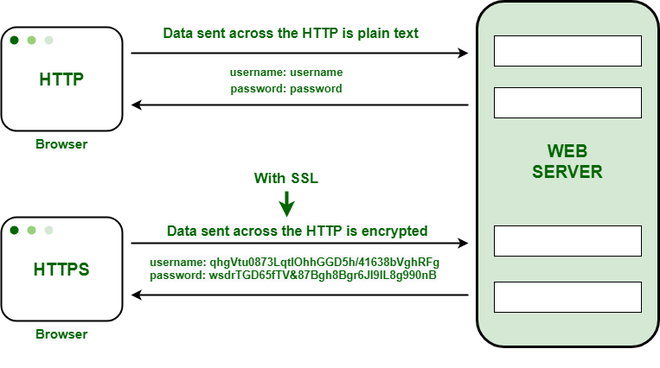
When you look at a website URL, you may notice that it starts with either http:// or https://. These prefixes indicate how your data is being transferred over the internet. HTTP is used to transfer data between the client and the server without any encryption, whereas HTTPS adds a layer of encryption to ensure secure data transfer.
HTTP
HTTP uses a request-response protocol for data transfer. In the first step, the user (typically a browser) sends a request to the server, which responds to the browser. However, this process is not encrypted, meaning anyone can intercept and read the data, potentially stealing sensitive information like passwords and other important details.
HTTPS
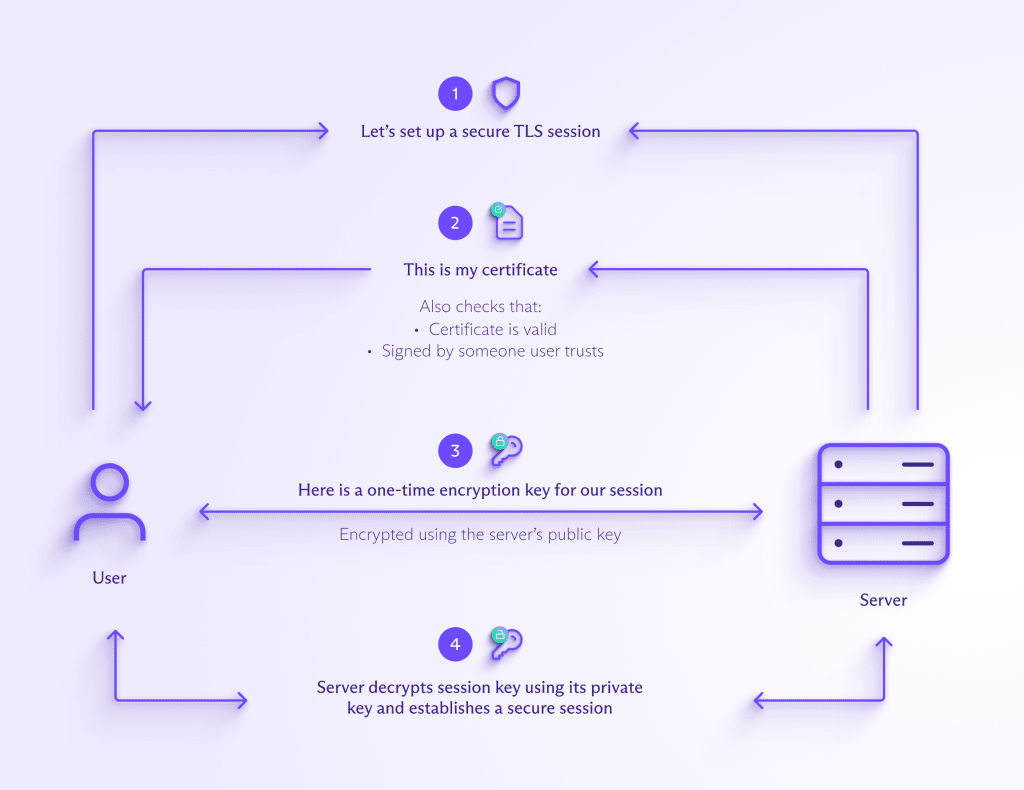
HTTPS works similarly to HTTP but adds an encryption layer to provide enhanced security for sensitive user information, such as user IDs and passwords. First, the server and browser exchange their SSL/TLS certificates through a process called the three-way handshake. Once the handshake is complete, a secure connection is established, and the data is exchanged securely between the server and browser.
In the upper text, I think you might find a difficulty that what is a three-way handshake, HTTP request, HTTP response, SSL/TSL certificate
For a three-way handshake, you can refer to the article https://jargens.hashnode.dev/the-life-of-a-web-request-how-websites-speak-to-servers
Let’s explore other termonologies
HTTP request
HTTP defines a set of request methods to indicate the purpose of the request and what is expected if the request is successful. Although they can also be nouns, these request methods are sometimes referred to as HTTP verbs. like GET, HEAD, POST, DELETE, PUT, CONNECT, OPTIONS, TRACE etc.
HTTP response
HTTP response status codes indicate whether a specific HTTP request has been successfully completed. Responses are grouped in five classes:
Informational responses (
100–199)Successful responses (
200–299)Redirection messages (
300–399)Client error responses (
400–499)Server error responses (
500–599)What Is An SSL/TLS Certificate?
An SSL/TLS certificate is a digital object that allows systems to verify the identity & subsequently establish an encrypted network connection to another system using the Secure Sockets Layer/Transport Layer Security (SSL/TLS) protocol. Certificates are used within a cryptographic system known as a public key infrastructure (PKI). PKI provides a way for one party to establish the identity of another party using certificates if they both trust a third party - known as a certificate authority. SSL/TLS certificates thus act as digital identity cards to secure network communications and establish the identity of websites over the Internet as well as resources on private networks.